Heat pumps = happiness?
Is it any coincidence that some of the happiest countries in the world boast the highest rates of heat pump adoption? Plus, how air-to-water pumps can act like batteries, heat pump adoption rates in America, and advice for first-time heat pump buyers.
Quiz: What kind of heat pump are YOU?
There are many varieties of heat pump in the world, and knowing which one you are can be very tricky indeed. Thankfully, this foolproof quiz answers that age-old question: what kind of heat pump am I?
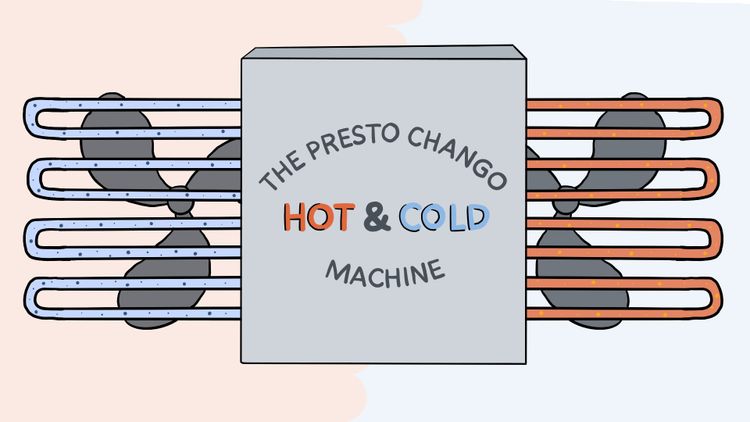
The Presto Chango Hot 'n' Cold Machine
Heat and cool your home with a single appliance that's up to 550% more efficient than a gas boiler or furnace... and save up to $500 a year on your utility bill
New York needs 15 GW of publicly owned power. This is how we get it.
I've got a small favor to ask. Plus: the fascinating history of the New York Power Authority, and how a committed band of ecosocialists passed the most progressive climate law in the country.
The curious case of California
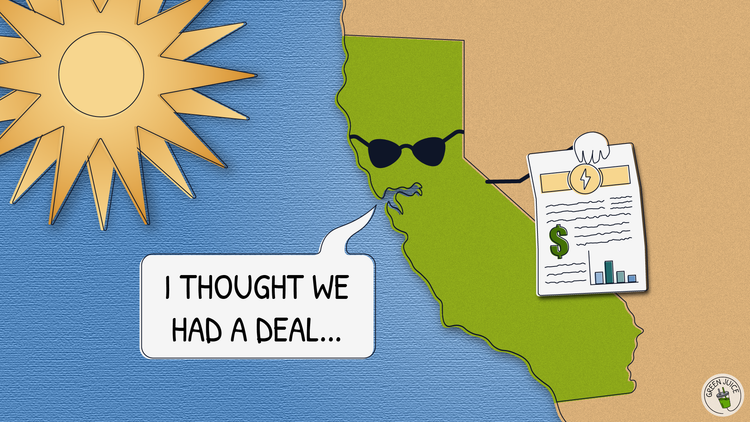
Renewable energy on the grid leads to lower utility bills. California has the second-most renewables of any state. So why do Californians pay some of the highest utility bills in the nation?
We must become the forest
Turning our top-down energy system bottom-up requires three things, metaphorically speaking: trees, a fungal network, and wood elves
Finally, clean energy for renters
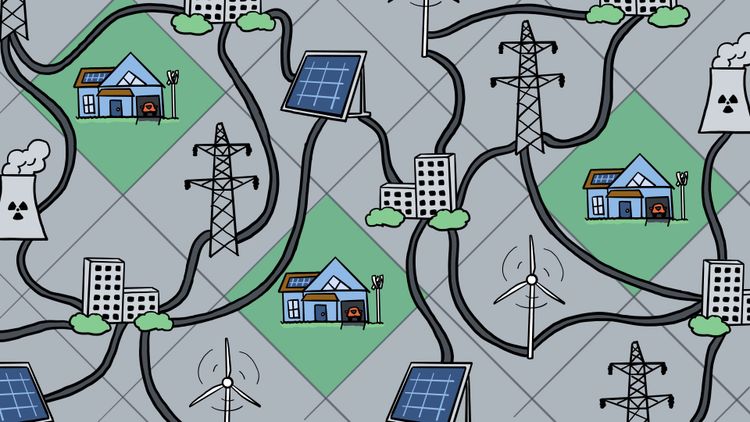
If we can't depend on our centralized energy system, then we must decentralize it. Enter DERs: Distributed Energy Resources. Small power producers and energy storers, dispersed like dandelion fluff across the country. There are even opportunities for renters—finally!—to get in on the action.
The energy grid: the most complex machine ever made
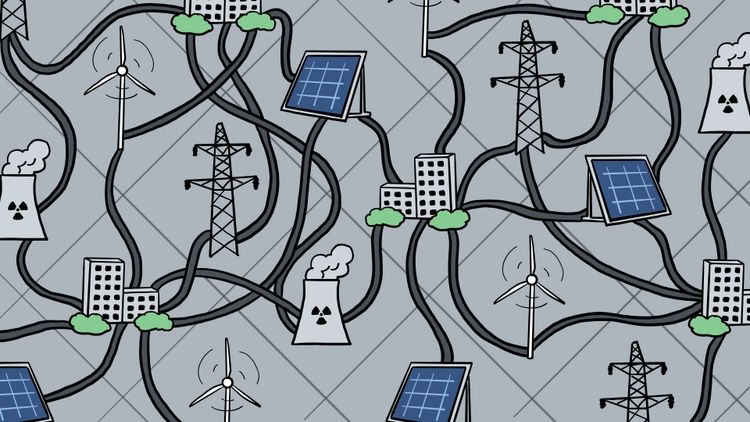
To power all the data centers coming online, experts believe we need to build 150–200 GW of new electricity generation. Under our longstanding top-down energy system, that will not be possible. But there is an alternative solution.
You're so dense (compliment)
Lithium Ion batteries have become incredibly dense. But what does that mean? Why does it matter? And what's inside those batteries, anyways?
How batteries got dirt cheap
Since the first commercial Lithium Ion battery was made for Sony's handheld camcorder in 1991, the production cost of LI batteries has plummeted more than 99%. How'd that happen? And why are batteries still expensive in the U.S.?